


Transforming Music Education with Modern Music Education Technology

Music education is evolving fast. Technology is reshaping how young children learn music. This change is exciting and full of potential. As someone passionate about early childhood development, I see how modern music education technology can build focus, discipline, and confidence in little learners. It’s not just about instruments anymore. It’s about interactive, engaging, and accessible learning experiences.
Technology opens doors for nurseries and kindergartens to bring music closer to children. It makes learning fun and effective. Let me share how this transformation is happening and what it means for early childhood educators.
Embracing Modern Music Education Technology in Early Learning
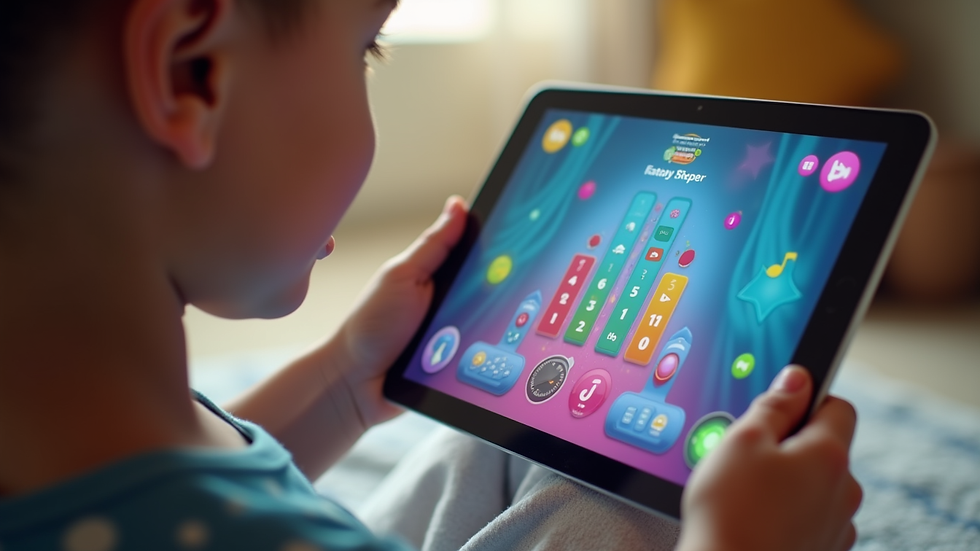
Modern music education technology is more than gadgets. It’s a new way to teach and inspire. Tablets, apps, and digital instruments are now part of the classroom. These tools help children explore sounds, rhythms, and melodies in playful ways.
For example, interactive apps let kids tap, drag, and create music patterns. This hands-on approach keeps them engaged. It also supports different learning styles. Visual learners see notes and colors. Auditory learners hear sounds clearly. Kinesthetic learners move and interact.
Digital keyboards with light-up keys guide children to play songs step-by-step. This builds confidence and skill. Teachers can track progress easily and tailor lessons to each child’s pace.

Using technology, music lessons become more inclusive. Children with special needs can benefit from adaptive tools. For example, apps with adjustable difficulty levels or visual cues help all children participate fully.
How Technology Enhances Music Learning for Young Children
Technology in music education brings many benefits. It makes learning accessible, personalized, and fun. Here are some key advantages:
Interactive Learning: Kids learn by doing. Touchscreens and sensors respond instantly to their actions.
Immediate Feedback: Apps and devices give real-time feedback, helping children correct mistakes quickly.
Creative Exploration: Children experiment with sounds and rhythms freely, encouraging creativity.
Multisensory Engagement: Combining sight, sound, and touch improves memory and understanding.
Flexible Access: Learning can happen anytime, anywhere, not just in the classroom.
For example, rhythm games teach timing and coordination. Children clap or tap along with beats shown on the screen. This builds motor skills and musical timing.
Teachers can also use technology to create customized lesson plans. They can select songs and exercises that match children’s interests and skill levels. This keeps motivation high.
What can I do with a music technology degree?
If you are interested in music and technology, a music technology degree opens many doors. You can work in education, production, or research. Here are some career paths:
Music Educator - Use technology to teach music in schools or early childhood centers.
Sound Designer - Create sounds and effects for games, apps, or media.
Music Therapist - Combine music and technology to support therapy for children.
Audio Engineer - Work on recording, mixing, and producing music.
App Developer - Design educational music apps for children and learners.
With this degree, you gain skills in digital audio, software, and pedagogy. You become a bridge between music and technology, helping learners of all ages.
Practical Tips for Integrating Technology in Music Education
Bringing technology into music lessons can be simple and effective. Here are some practical tips:
Start Small: Introduce one or two tools at a time. For example, a tablet app or a digital instrument.
Train Teachers: Ensure educators know how to use the technology confidently.
Blend Methods: Combine traditional instruments with digital tools for a balanced approach.
Encourage Exploration: Let children experiment freely with sounds and apps.
Monitor Progress: Use apps that track learning to adjust lessons as needed.
Create a Music Corner: Set up a dedicated space with technology and instruments for free play.
Remember, technology should enhance, not replace, human interaction. The teacher’s role remains vital in guiding and encouraging children.
Looking Ahead: The Future of Music Learning for Young Children
The future of music education is bright with technology. Innovations like virtual reality and AI will create even more immersive experiences. Imagine children exploring musical worlds or composing with smart assistants.
For nurseries and kindergartens, this means more opportunities to nurture young talents. It also means reaching children in remote areas through online platforms.
By embracing technology in music education, we can build strong foundations for children’s growth. Music becomes a tool for focus, discipline, and joy.
Let’s keep pushing forward. Let’s make music education accessible, engaging, and inspiring for every child.
This journey is just beginning. Together, we can transform how children experience music. Technology is the key to unlocking their potential.


ความคิดเห็น